
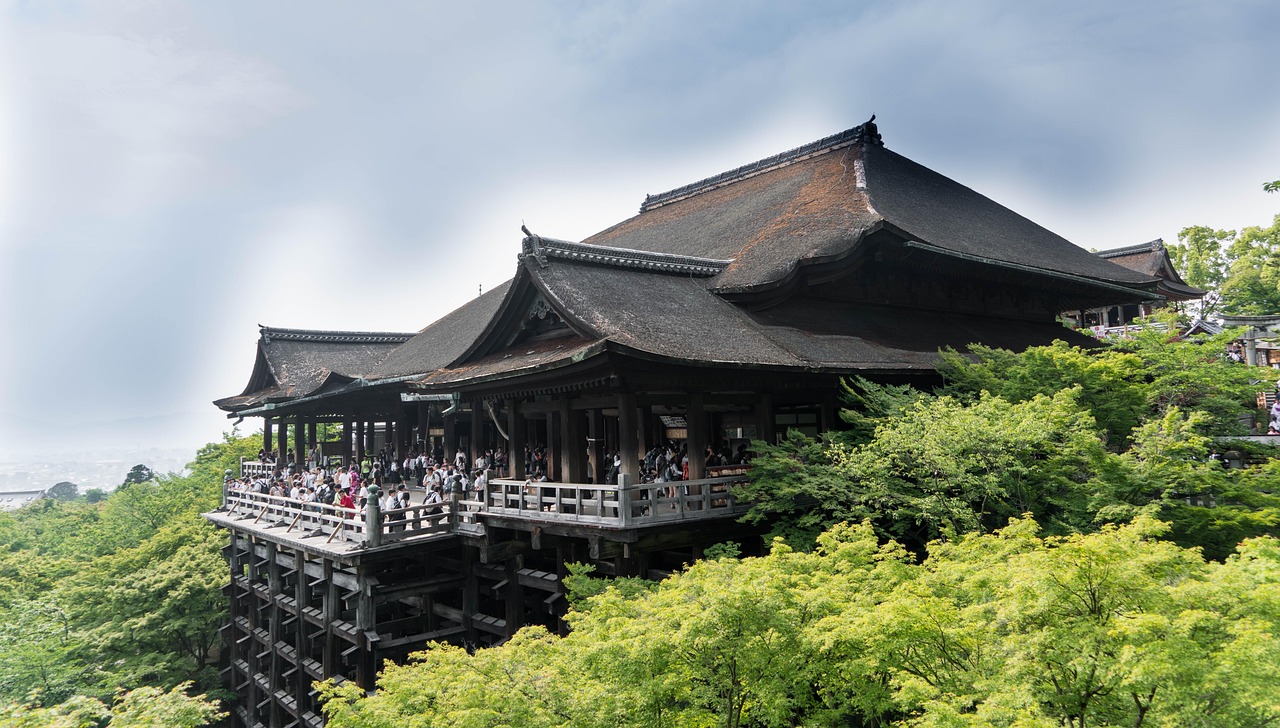
Kiyomizu-dera is Kyoto’s most iconic temple. Here is how to see it without the crowds—and the best walking route for first-timers.
The massive wooden stage jutting out over the hillside. The view of Kyoto city stretching to the horizon. Kiyomizu-dera Temple isn’t just a UNESCO World Heritage site; it’s the symbol of Kyoto itself.
But let’s be honest: It is also the busiest spot in the city. Visit at 11:00 AM, and you will be shoulder-to-shoulder with thousands of tourists. The “peaceful” atmosphere? Gone. “I couldn’t even take a photo.” “The line for the waterfall was 45 minutes long.”
Don’t let crowds ruin this masterpiece for you. The secret to enjoying Kiyomizu-dera is simple: Beat the buses. In this guide, I’ll share the unmissable sights within the temple complex, the perfect walking route, and where to stay to make an early start effortless.
The Quick Verdict: How to Win at Kiyomizu-dera
Source:Minn Official Website
For busy travelers, here is the bottom line. To maximize your experience:
- The 6 AM Rule: The temple opens at 6:00 AM. Be there then. You will watch the sunrise over a silent, empty stage. It is magical.
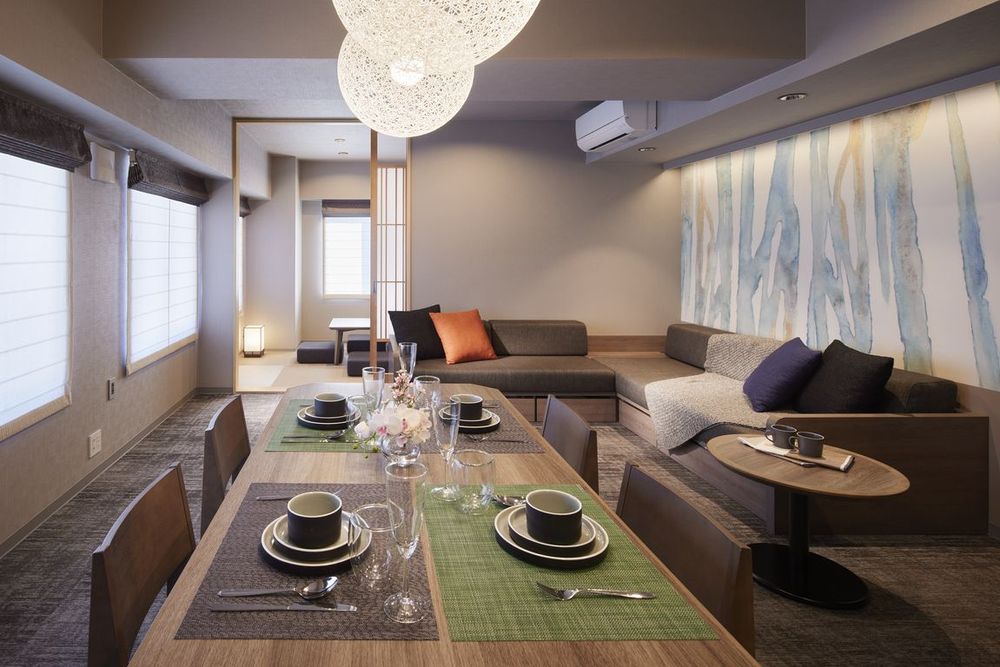
- Stay Nearby: Don’t commute from across the city. Stay at an Apartment Hotel like Minn Kiyomizu Gojo or Minn Gion. Being a short walk or taxi ride away makes that 5:30 AM wake-up call much easier.
【Official】Minn Reservations | Experience a “Stay as You Live” Style
(Features: Kitchens, spacious living areas, and locations perfectly positioned for early temple runs.)
Top 5 “Must-See” Sights Inside the Temple
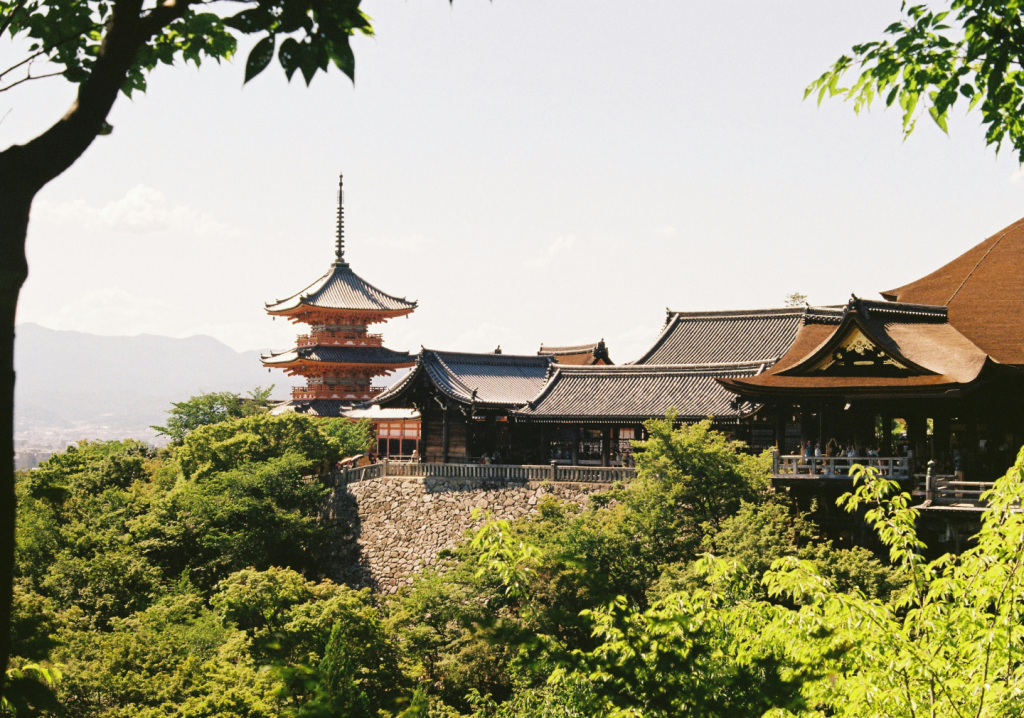
The complex is huge. Don’t just wander aimlessly; make sure you hit these five spots.
1. The Main Hall & Stage (Hondo)
- What is it: A massive wooden veranda built without a single nail.
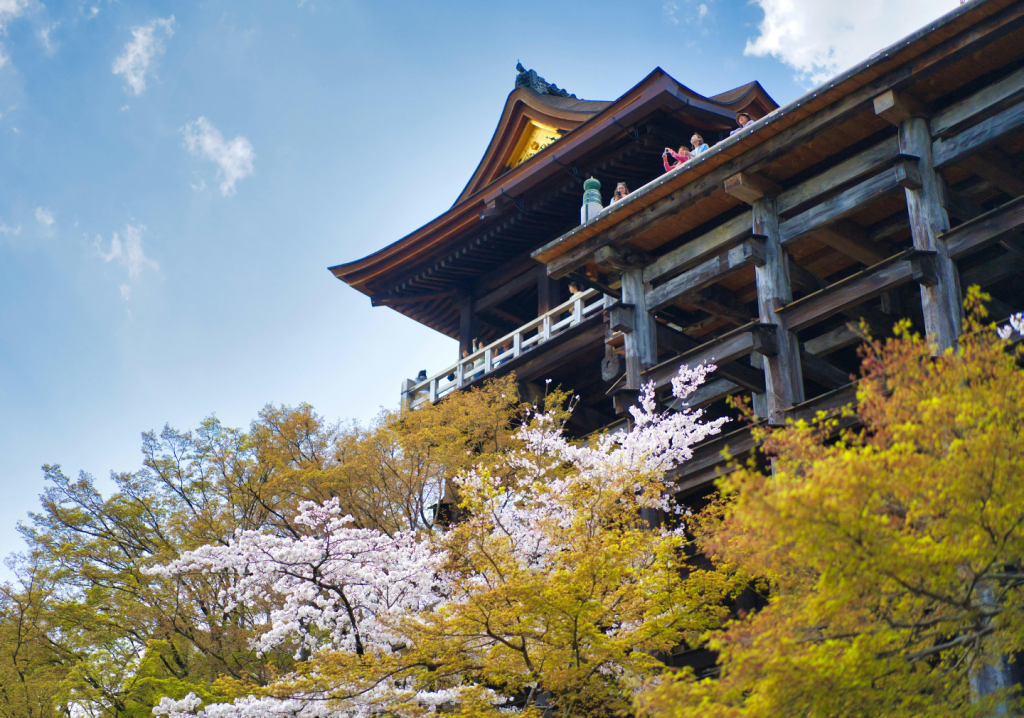
- Why Go: This is the view. Standing 13 meters above the ground, looking out over the cherry blossoms (spring) or maple trees (autumn) with the city in the background, is breathtaking.
2. Otowa Waterfall (Otowa-no-taki)
- What is it: Three streams of water falling into a pond.
- Why Go: Visitors use long ladles to drink the water for good luck. The streams represent longevity, success at school, and a fortunate love life.
- Pro Tip: Pick one stream to drink from; drinking from all three is considered greedy! Go here first to avoid the line.
3. Nio-mon (The Deva Gate)
- What is it: The vibrant vermilion gate at the temple entrance.
- Why Go: Guarded by two fierce Deva statues, it’s the perfect spot for your “I’m in Kyoto!” arrival photo. The angle looking up from the stairs is dramatic.
4. Zuigu-do Hall (The “Womb Walk”)
- What is it: A unique, hidden experience located just before the main hall.
- Why Go: For a small fee, you descend into a pitch-black basement. Holding a beaded rope handrail, you walk through total darkness (symbolizing the womb of a female Bodhisattva) until you reach a single illuminated stone. It is a spiritual rebirth experience you won’t forget.
5. Jishu Shrine (The Love Stone)
- What is it: A shrine dedicated to the god of love (Okuninushi), located right behind the main hall.
- Why Go: Try the “Love Stone Challenge.” Two stones are placed 18 meters apart. If you can walk from one to the other with your eyes closed, your love wish will come true. (Note: Currently undergoing renovation, so check access before visiting).
The “Golden Route” Walking Course
Don’t just see the temple; explore the historic streets leading up to it. Here is the most efficient half-day plan.
- 06:30 | Kiyomizu-dera Temple
- Explore the temple grounds in peace.
- 08:30 | Sannenzaka (Three-Year Slope)
- Exit the temple and walk down this stone staircase lined with traditional wooden buildings. It is incredibly photogenic.
- 09:00 | Ninenzaka (Two-Year Slope)
- Continue down to Ninenzaka. Stop by the world’s only tatami-style Starbucks for a coffee in a machiya house.
- 10:00 | Kodaiji Temple & Nene’s Path
- Wander through the beautiful stone-paved alleyways towards Gion.
The Hotel Strategy: Why “Minn” is the Best Base
Source:Minn Official Website
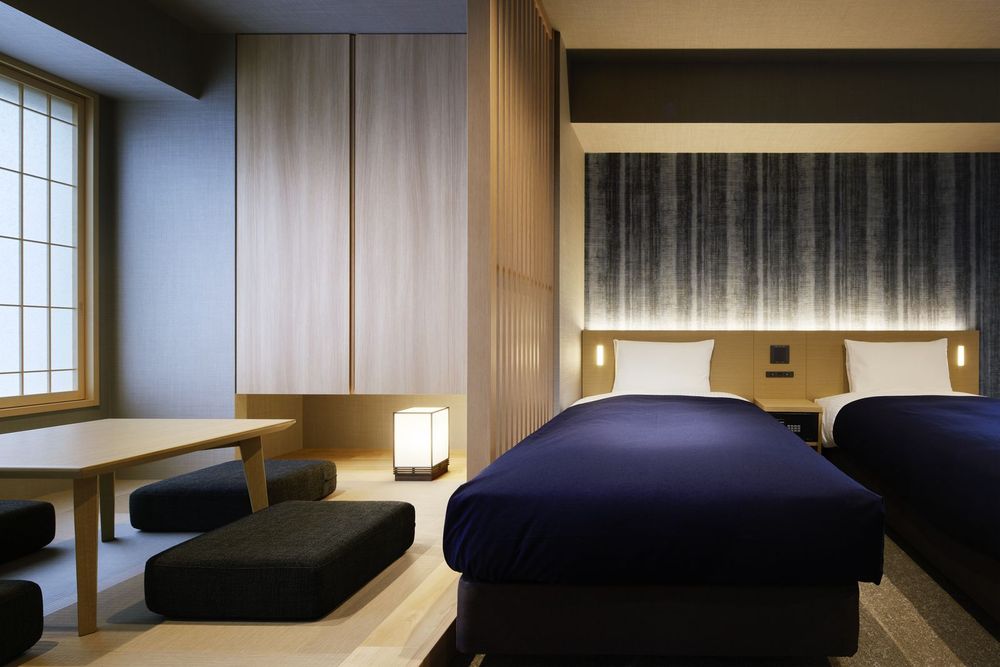
Kiyomizu-dera involves hills. Lots of them. After walking up and down slopes all morning, your legs will be burning. Do you really want to squeeze into a tiny business hotel room?
This is why smart travelers choose Apartment Hotels like Minn.
Why Minn is the Ultimate Choice for this Area
1. You Can actually Make the 6 AM Start Minn Kiyomizu Gojo is located just a short distance from the temple.
- The Strategy: Wake up, grab a coffee, and hop in a quick taxi. You are at the gate in minutes. By the time the tour buses arrive at 10 AM, you are already heading back to your hotel for a nap.
2. Space to Recover (Living Rooms) After 15,000 steps on stone pavements, you need to relax.
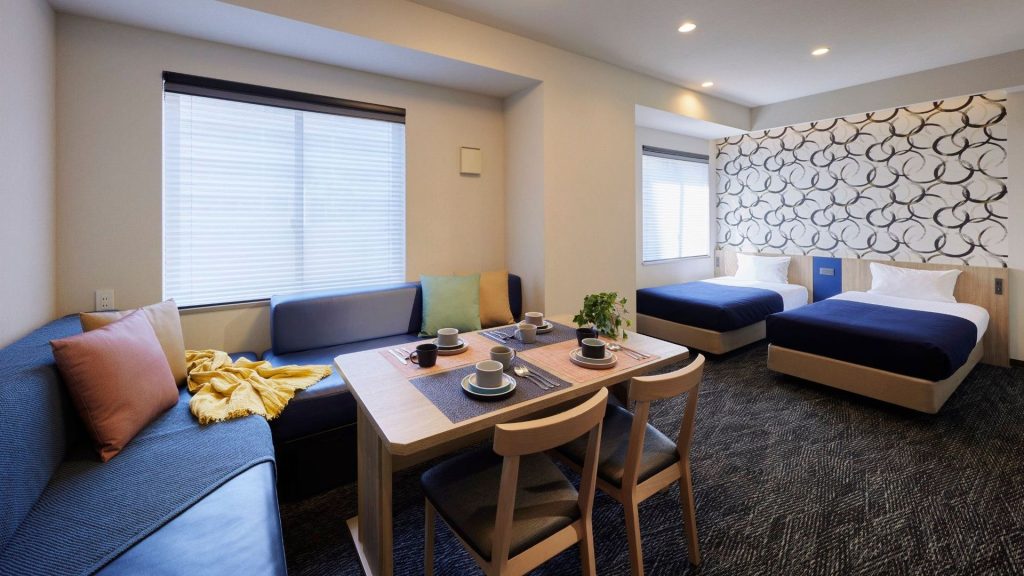
- The Minn Advantage: Minn suites feature spacious living rooms with sofas. Take off your shoes, stretch your legs, and share photos with your group. It feels like a home, not a dormitory.
3. Skip the Lunch Queue (Kitchen Benefit) The restaurants around Kiyomizu-dera are tourist traps with long lines.
- The Minn Advantage: Minn rooms have kitchens and dining tables. Visit a department store basement (Depachika) nearby, buy high-quality Bento boxes, and enjoy a private lunch in your room.
4. Laundry for the “Sweat Factor” Climbing hills in Kyoto means sweating, especially in summer.
- The Benefit: Use the in-room washing machine to clean your clothes immediately. You can pack lighter and always feel fresh.
Verdict: Plan Smart, Travel Light
Source:Minn Official Website
Kiyomizu-dera is a highlight of any Japan trip, but it rewards the early riser. By staying nearby at a spacious Minn apartment hotel, you turn a crowded, exhausting day into a smooth, magical memory.
Rooms near Kiyomizu-dera sell out fast.
【Official】Book Minn Here for the Best Rates
(Select “Minn Kiyomizu Gojo” or “Minn Gion” for the best access.)