
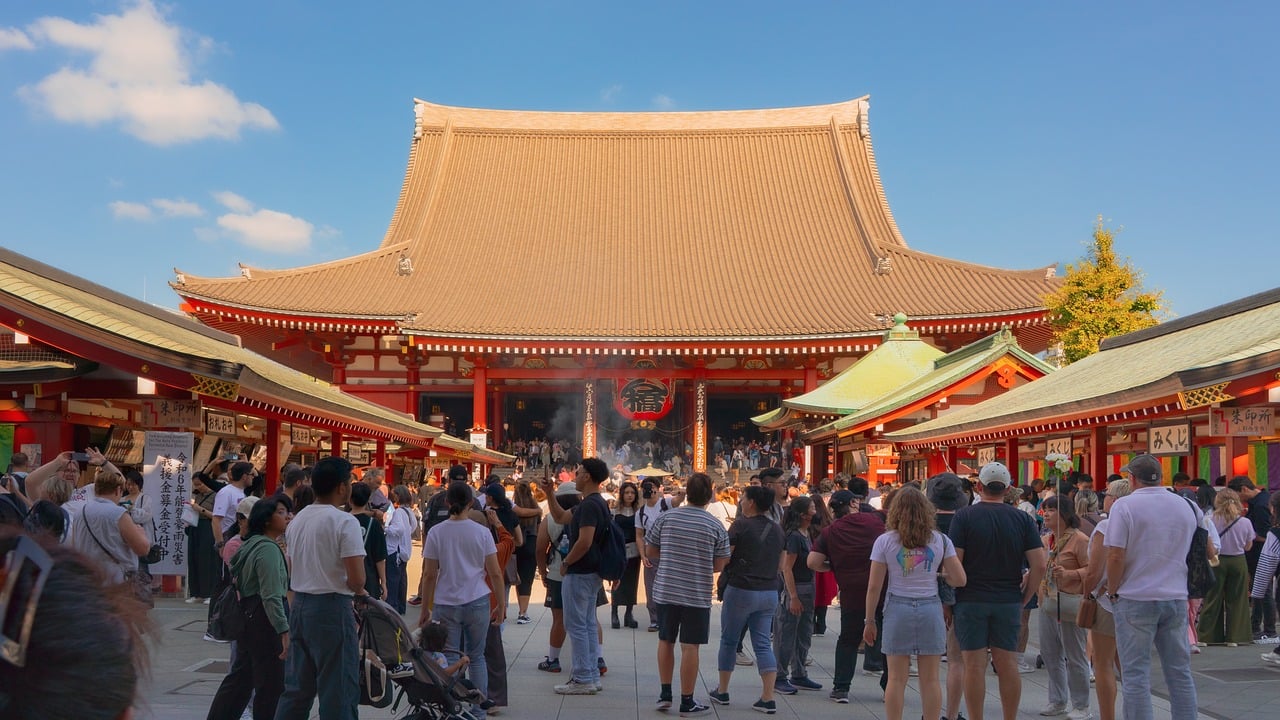
Asakusa is the soul of historic Tokyo. Here is how to beat the crowds, find the best tempura, and stay in the heart of the action.
A giant red lantern weighing 700kg. A street filled with the aroma of freshly fried snacks. The futuristic SkyTree piercing the clouds in the distance. Asakusa is the one place in Tokyo where the Edo period meets the 21st century.
It is on every traveler’s bucket list, and for good reason. But its popularity comes with a price: The Crowds. By 10 AM, Nakamise Street is a sea of people. If you go without a plan, you might spend more time dodging selfie sticks than soaking in the atmosphere.
Don’t worry. As a Tokyo travel expert, I’m here to share the secrets to enjoying Asakusa like a local. The trick isn’t just where to go, but when to go—and crucially, where to stay to make it all possible.
The Quick Verdict: How to Win at Asakusa

Source:Minn Official Website
For busy travelers, here is the bottom line. To experience the magic of Asakusa without the stress:
- Own the Morning & Night: The temple is open 24/7. Visit before 9 AM or after sunset for a magical, crowd-free experience.
- Stay Local: Don’t commute in. Stay at an Apartment Hotel like Minn Asakusa or Minn Kuramae. Being in the neighborhood gives you exclusive access to the quiet moments day-trippers miss.
【Official】Book Minn Here for the Best Rates
(Features: Kitchens, spacious living areas, and locations just steps from Senso-ji Temple.)
Top 5 Must-See Attractions in Asakusa
Here are the essential spots you cannot miss.
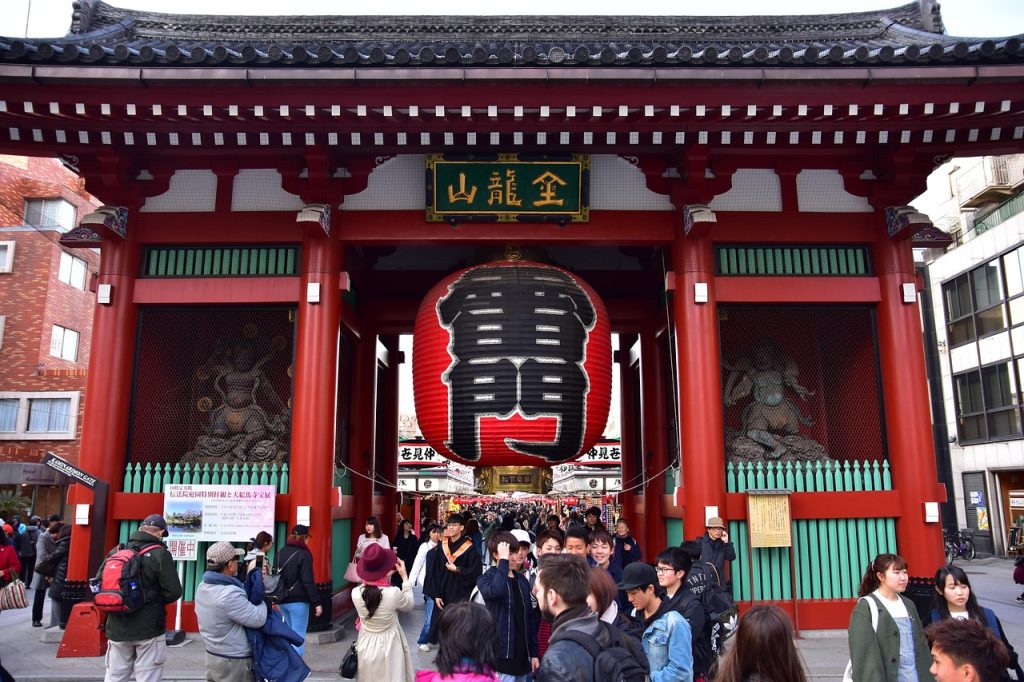
1. Senso-ji Temple & Kaminarimon (The Icon)
- What is it: Tokyo’s oldest and most famous Buddhist temple. The “Thunder Gate” (Kaminarimon) with its massive red lantern is the symbol of Asakusa.
- Pro Tip: Want that perfect solo shot under the lantern? Be there at 7:00 AM. The light is beautiful, and the silence is spiritual.
2. Nakamise Shopping Street
- What is it: The approach to the temple, lined with 90 stalls selling traditional crafts and snacks.
- Eat This: Ningyo-yaki (doll-shaped sponge cakes filled with red bean paste) and Age-manju (fried buns).
- Warning: Walking while eating is generally frowned upon in Japan. Please stand by the shop to enjoy your treat!
3. Tokyo Skytree (The View)
- What is it: The world’s tallest broadcasting tower (634m).
- Access: It’s a 15-minute walk across the Sumida River or one stop on the train.
- Why Go: The view of the sprawling Tokyo metropolis is unmatched. The shopping complex at the base (Solamachi) is also excellent for souvenirs.
4. Kappabashi Kitchen Town
- What is it: A street dedicated entirely to restaurant supplies.
- Why Go: It’s a paradise for cooks. You can buy professional Japanese knives, beautiful ceramics, and—most famously—incredibly realistic plastic food samples to take home as unique souvenirs.
5. Sumida Park (The Oasis)
- What is it: A riverside park stretching along the Sumida River.
- Why Go: Grab a coffee and take a stroll. It offers the best photo angle of the SkyTree and the famous “Golden Turd” (the Asahi Beer Hall flame). In spring, it is one of Tokyo’s top cherry blossom spots.
How to Experience Asakusa Like a Local
Don’t just look; participate.
- Wear a Kimono: Asakusa’s traditional streets are the perfect backdrop. There are dozens of rental shops where you can get dressed up for the day.
- Ride a Rickshaw: Let a Shafu (rickshaw puller) guide you through hidden alleys. They know the best photo spots and speak English!
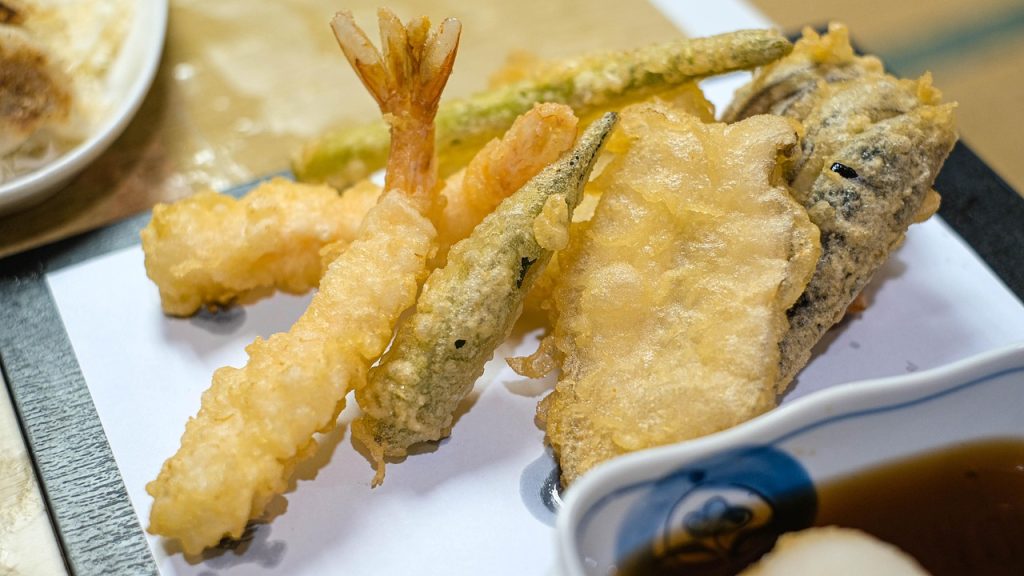
- Eat Tempura: Asakusa is the home of Tempura. Try the historic Daikokuya for their signature dark sauce tendon (tempura bowl).
The Perfect Half-Day Itinerary
- 09:00: Start at Kaminarimon. Walk through Nakamise Street before it gets too packed.
- 10:00: Explore Senso-ji Temple and draw an Omikuji (fortune slip).
- 11:00: Walk to Kappabashi to shop for knives or plastic food.
- 12:30: Lunch: Sushi or Tempura in the old town.
- 14:00: Walk across the river to Sumida Park and head to SkyTree.
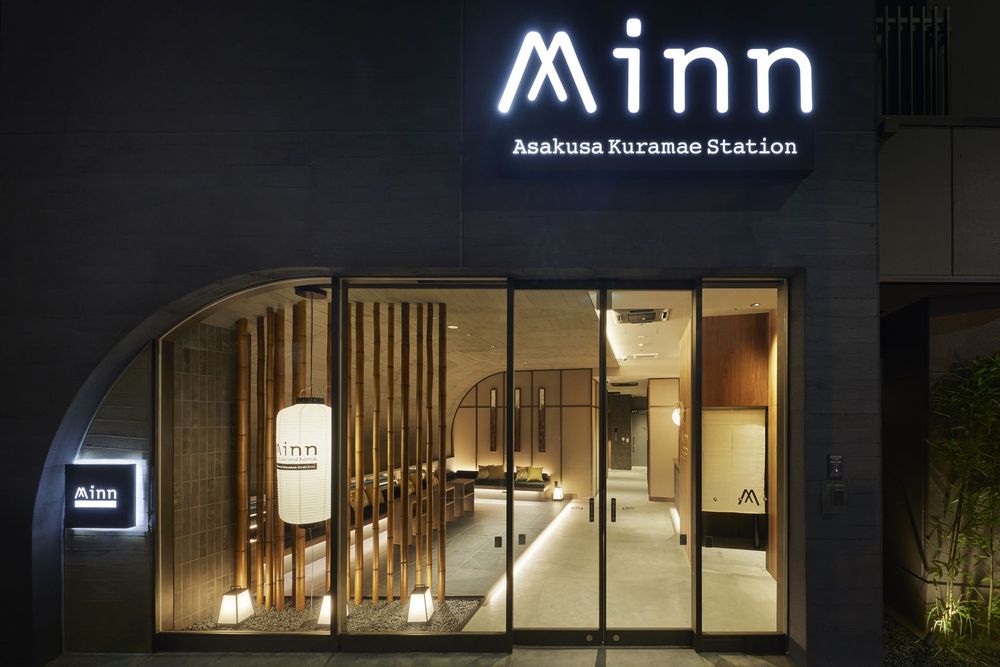
Where to Stay: Why “Minn” is the Best Base
Source:Minn Official Website
Asakusa involves a lot of walking. By 4 PM, you will be exhausted. Do you really want to squeeze into a tiny business hotel room? Or do you want to relax in a living room?
This is why smart travelers choose Apartment Hotels like Minn.
Why Minn is the Ultimate Asakusa Choice
1. Strategic Locations Minn has multiple properties in the area (Minn Asakusa, Minn Kuramae, Minn Kappabashi).
- The Benefit: You are minutes away from the action. You can see the temple at sunrise, nap in the afternoon, and go out for an Izakaya dinner at night without long train rides.
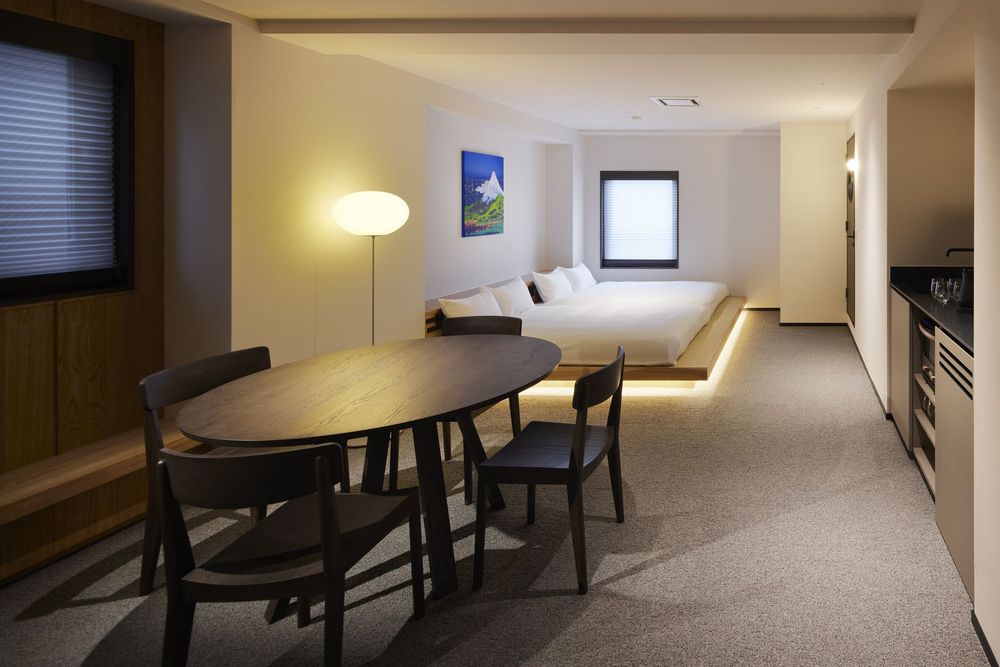
2. The “Private Party” Room Asakusa has amazing takeout food (Melon pan, Menchi-katsu, unagi).
- The Minn Advantage: Minn rooms have kitchens and dining tables. Buy a feast of local snacks and host a tasting party in your room. It’s private, comfortable, and fun.
3. Space for Everyone (Up to 8 People!) Minn specializes in large suites. Whether you are a family or a group of friends, you can all stay in one room.
- The Vibe: With stylish designs (some even have projectors!), the room becomes part of the entertainment.
4. Laundry for the “Sweat Factor” Walking around Tokyo means sweating, especially in summer.
- The Benefit: Use the in-room washing machine to clean your clothes instantly. You can pack lighter and save space in your suitcase for Kappabashi kitchenware!
Verdict: Stay in the Heart of History
Source:Minn Official Website
Asakusa is too good to rush. By staying in the neighborhood at a spacious Minn apartment hotel, you unlock the “secret” side of Asakusa—the quiet mornings and the lantern-lit evenings that day-trippers never see.
Rooms with SkyTree views or large suites book out fast.
【Official】Minn Reservations | Experience a “Stay as You Live” Style
(Select “Minn Asakusa” or “Minn Kuramae” for the best access.)